
AI Economics practical guide
The Largest Model Is Not Always Best: A Practical AI Model Routing Guide
AI model routing matches work to an appropriate model or infrastructure tier using complexity, sensitivity, urgency, volume and quality requirements. The goal is not always the lowest model price, but a lower workflow unit cost at acceptable quality and risk.
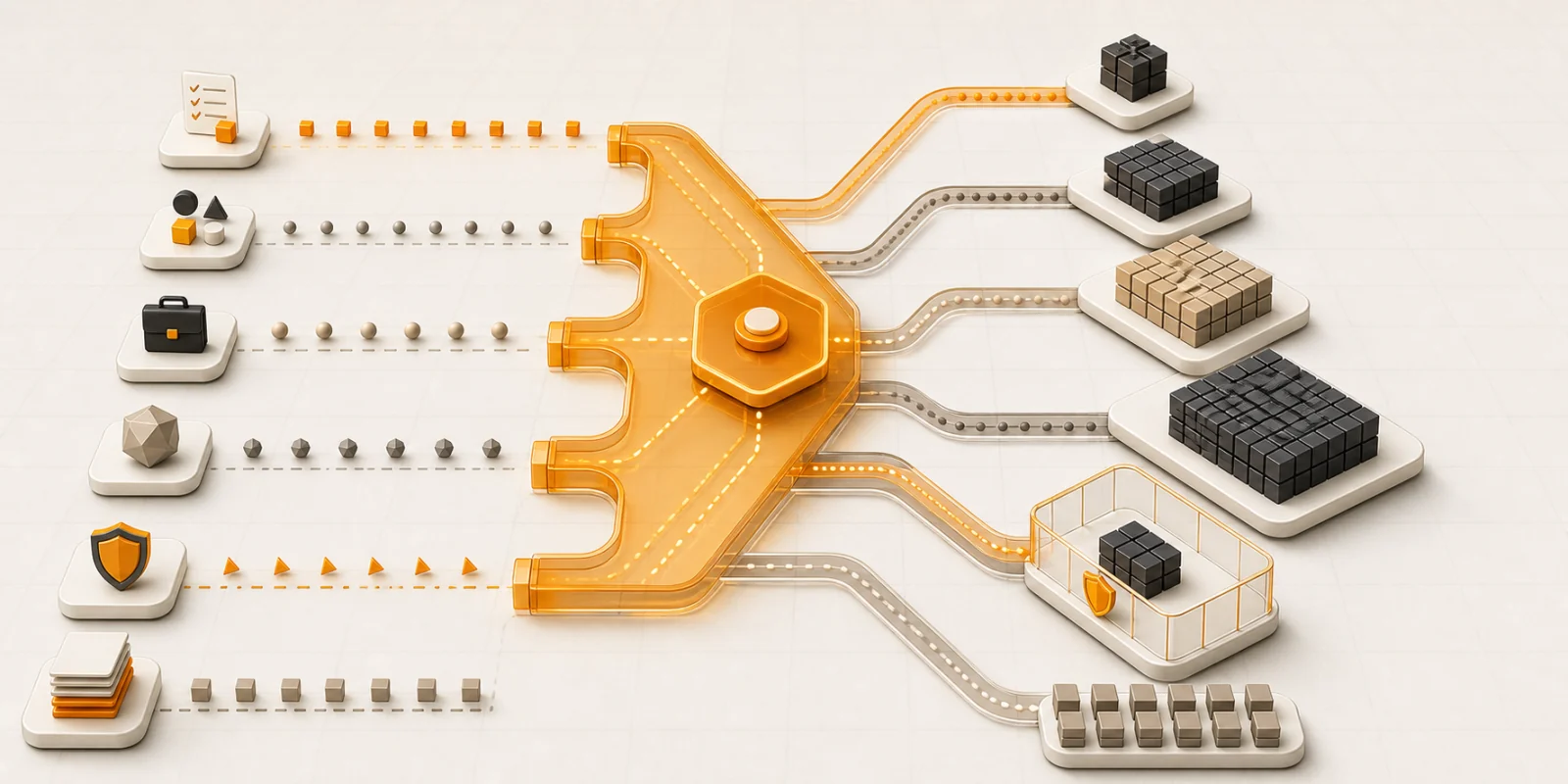
Classify the work first
Simple repetition, structured classification, normal generation, difficult reasoning, sensitive work and high-volume batch work usually have different speed, cost, data and quality needs.
Create escalation and fallback rules
Start predictable work on an appropriate smaller model and escalate when confidence is low, input is complex or risk rises. Failures need fallback, human handling and stop conditions.
Test continuously
- Evaluate quality, latency and cost with representative real samples.
- Monitor drift after model or provider updates.
- Keep an owner, purpose, data boundary and evaluation date for every route.
Method references and review date
These sources provide related definitions, frameworks or implementation considerations. The method is synthesised by iGears and is not a fixed provider quotation or an outcome promise.
Last reviewed: 30 August 2026
Book an AI consultation
Confirm usable AI routes, implementation scope and ongoing care around your tools, data requirements and target work.